


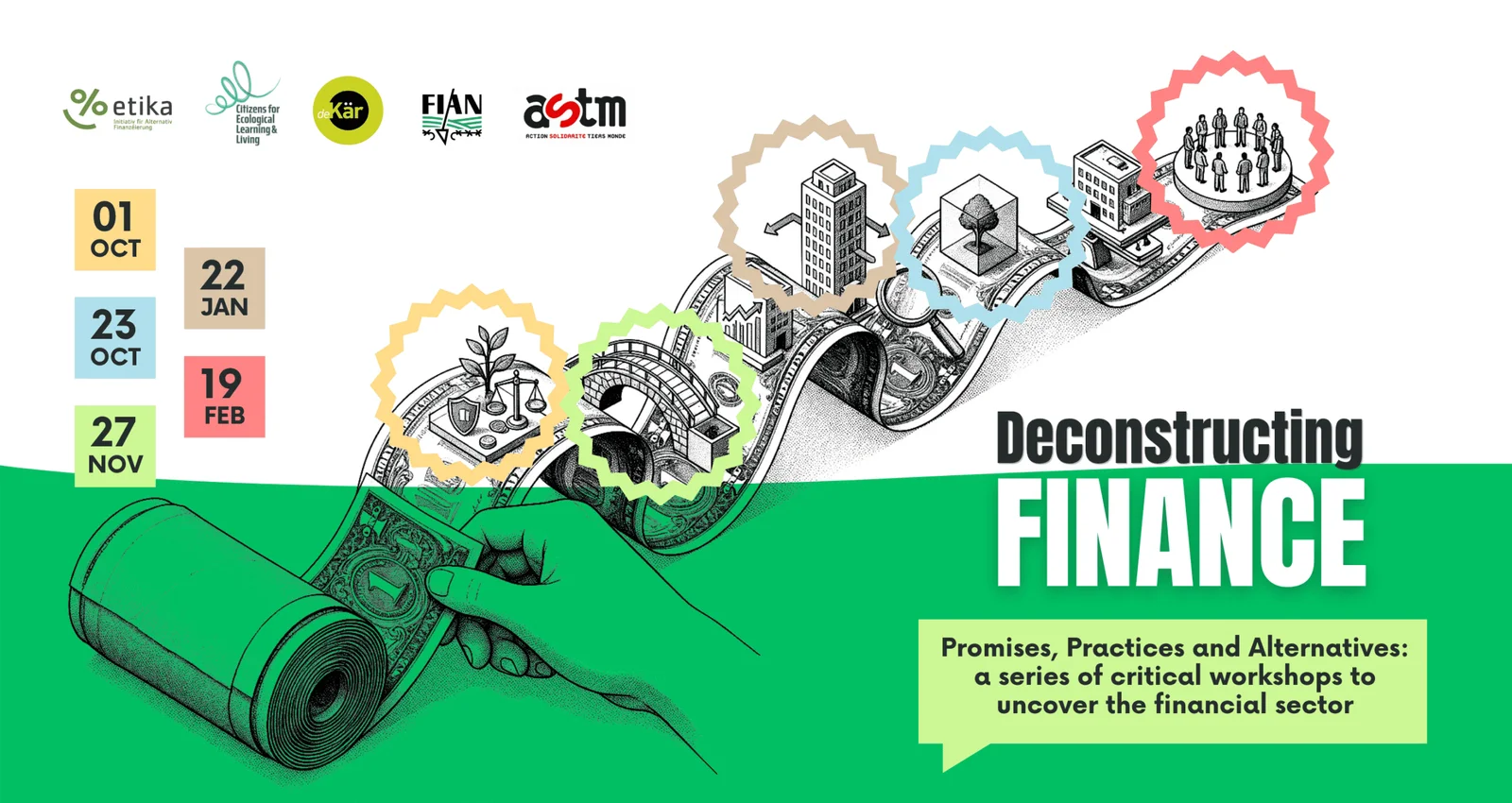
Large corporations do not always pay tax where they actually do business. How they are taxed rests on a web of national and international rules that shape where profits appear on paper and where economic activity is genuinely taxed. A handful of countries, Luxembourg among them, sit at the heart of these arrangements by hosting structures such as holding companies and specialised financial entities.
This workshop examines how holding structures work, what they are used for, and the debates they raise around taxation and public finances. The aim is to make sense of the economic and legal logic behind them, and to understand what they mean for states and societies — for the public budgets that depend on tax revenue, and for the competition between countries to attract it.
Topics covered will include the fundamentals of how multinationals are taxed and the role that holding companies play within international groups, including how they function in practice. The workshop explores where tax optimisation ends and avoidance or fraud begins, and traces at least one case study following the use of Luxembourg structures within a multinational group. Participants will be introduced to hands-on research techniques for investigating such structures, which they can apply in their own work. Finally, the workshop turns to current debates and policy developments at the international level, including the role of the Global South and multilateral organisations in the international tax debate.
The workshop is aimed at those wishing to deepen their understanding of the mechanisms of international taxation, existing practices, and the associated issues in terms of public revenue, tax competition, and international policy initiatives.
https://etika.lu/nos-evenements/deconstructing-finance/